
Luxury is the most abused word in this industry right now

Marble and gold used to be the answer. Every client still walks in with that idea. It's rarely what they actually need.
Luxury might be the single most used, and most abused, word in this industry right now. Every mood board says it. Every builder brochure says it. And by the time a client sits across from me, they already have a fixed idea of what it means, marble, gold, big rooms, brand names everyone recognises. They didn't arrive at that on their own. Years of the same photographs, recycled across every account and every city, put it there. Social conditioning, basically.
That vocabulary made sense once, when those things were genuinely hard to get. A marble floor meant money and access. Scarcity is what made something feel luxurious, not the material itself, how hard it was to get hold of. Scarcity has flipped. Marble is an order away. Recognisable brands sit in every mall across cities.
So if luxury is still about scarcity, and I think it is, the symbols had to change, because what's actually scarce changed. Instead, everyone kept chasing the same old picture, which is exactly why so many homes end up looking identical. Fancy floor, fancy furniture, nothing underneath it that's actually theirs to talk about.
What a real luxury designer in Delhi is actually solving for
What a client says they want in the first meeting is rarely what they actually want. The real answer is usually smaller than marble, and harder to put on a mood board.
On The Amber Home in Gurgaon, a client living alone and reconfiguring her 3BHK gave up an entire bedroom, not to fit more in, but to make room for a proper walk-in wardrobe and a study she'd actually use. Most clients want to maximise room count. She understood quality over quantity. As I said at the time, the best briefs don't come from reference images, they come from self-knowledge.


On Advaya in Noida, three generations shared one home, and luxury meant something different for each of them. The grandparents' room was deliberately calm and understated. The younger generation's spaces were vibrant and flexible. Same house, same budget, two completely different definitions of luxury, sitting a wall apart.


Personalisation is the truest luxury. A well - fitted suit, cut for one body, will always outclass a rack of the same jacket that thousands of other people also own.
Most interiors right now are the rack version. Mass-market luxury, resized to fit a different floor plan, but fundamentally the same jacket everyone else is wearing.
What's scarce now in 'luxury' homes
Walk into most homes we work on and the brief, underneath the brief, is usually the same: I want quiet. I want a room with nothing to do in it. I want a moment in my own house where I'm not managing something. Nobody says it in those words at the first meeting. But it's what's underneath almost every conversation now.
"True luxury transcends beyond cosmetic opulence — the actual investment is in the luxury of timeless, well-lit and well-ventilated healthy living spaces."
We saw this most clearly on a retrofit project where the client didn't want a display of finishes — she wanted daylight, cross-ventilation, and rooms that felt calm at 7pm, not just at the client walkthrough. Materials that look expensive on day one were never part of the brief. What was scarce for her, a slice of quiet in a dense neighbourhood, was the actual ask.
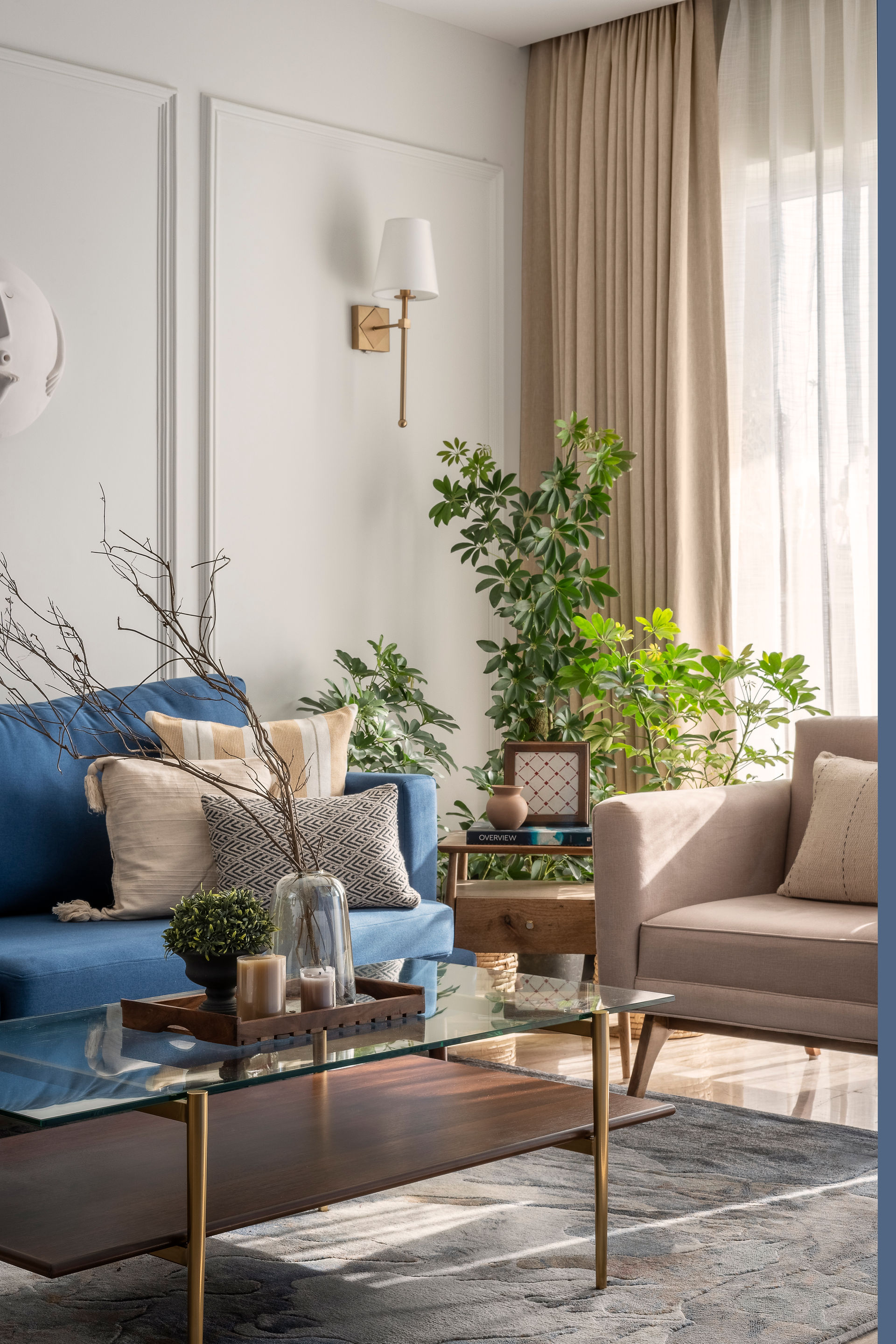


Designing for what's actually rare
This changes how we work, not just what we specify.
If luxury is whatever's hardest to get, the job isn't to source the most expensive material — it's to figure out what's genuinely missing in someone's life and design toward that.
Sometimes that's silence, so we think about acoustic separation before finishes. Sometimes it's daylight, so a skylight or a reoriented plan matters more than a marble slab. Sometimes it's simply space to do nothing in — a room with no assigned function, which is a hard thing to convince a client to build until they've lived without one.
None of this means materials stop mattering. It means we stop treating them as the point. A well-detailed material still matters, but it's in service of a feeling, of quiet, of light, of room to breathe, not a stand-in for it.


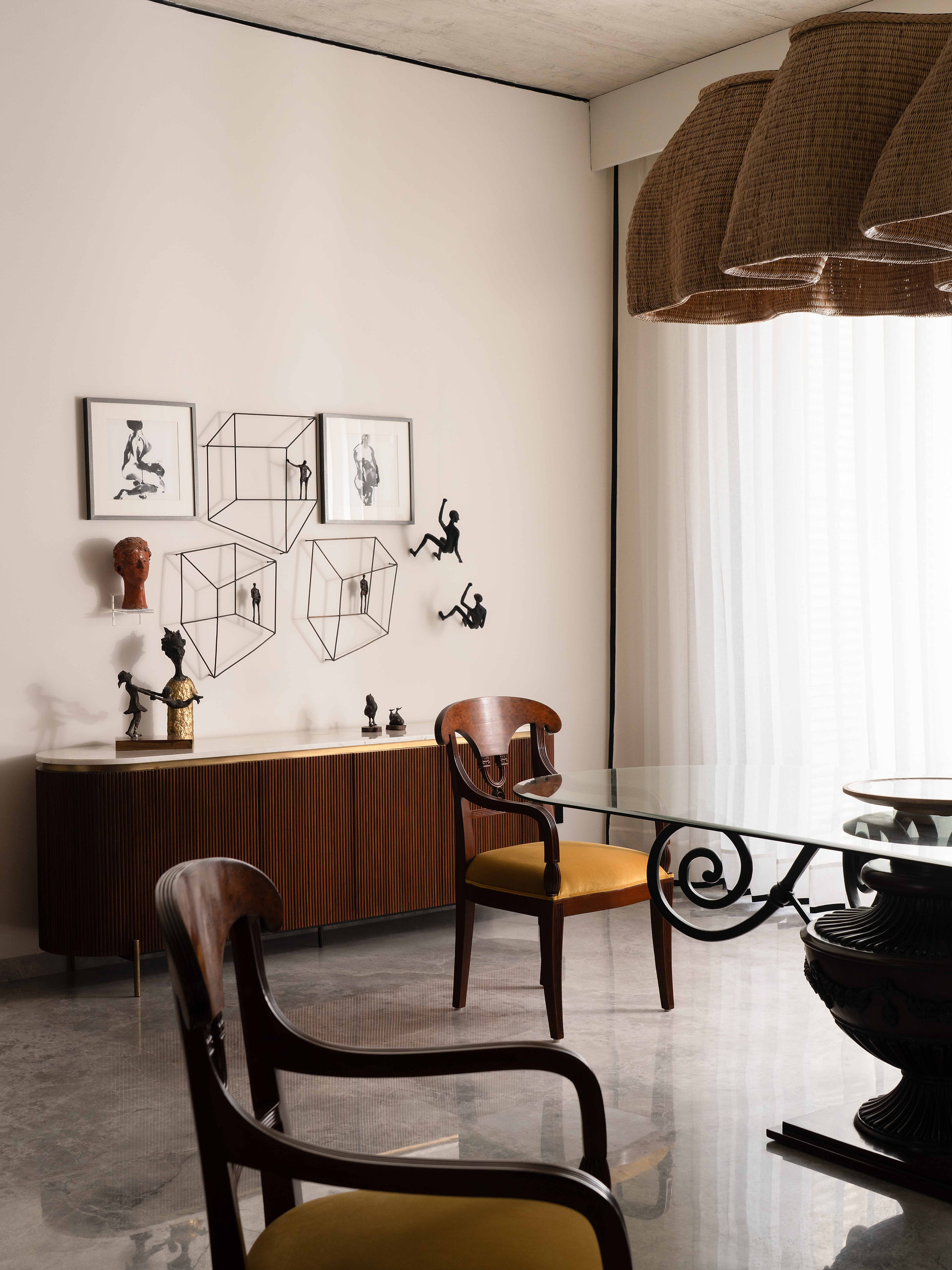
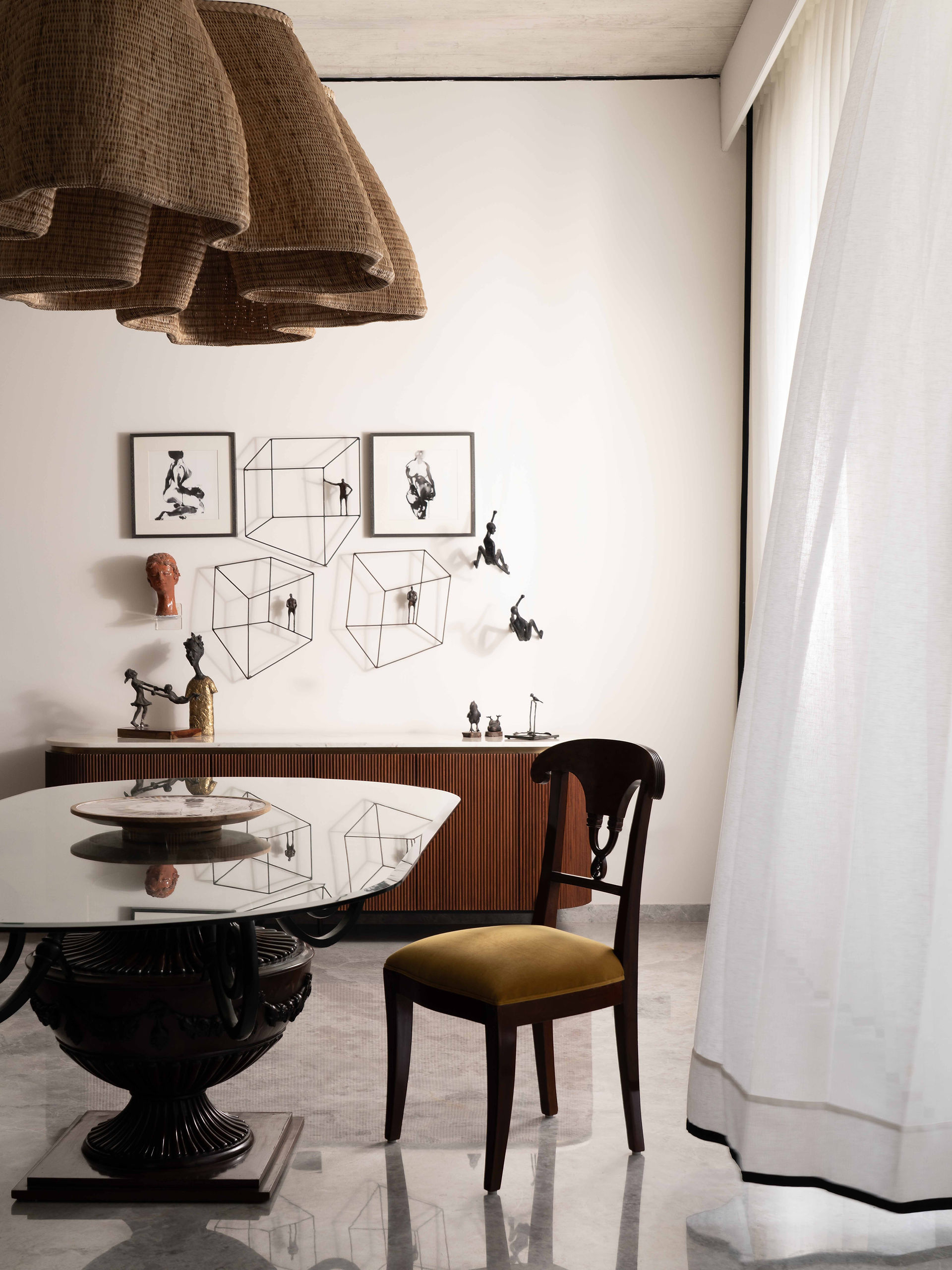
What worked, what didn't
On earlier projects, we sometimes leaned on the old vocabulary because clients asked for it at the brief stage, more marble, more shine, because that's what luxury meant to them going in.
Looking back, the rooms that get used and loved years later aren't the ones with the most expensive stone. They're the reading corner nobody interrupts, the veranda where morning tea happens, the two square feet by a window that catches early light.
What worked: asking what's actually missing from someone's day before asking what finish they want.
What didn't: defaulting to opulence because it photographs well on day one.
Luxury was never really about marble or gold. It was about whatever was hardest to get. Ask a client what luxury means to them and most will give you a Pinterest answer. Ask them what's actually missing from their week, and you get the real one.
PLANNING A BUILD IN DELHI NCR?
Let's find out what your space actually needs to do for you.
We
We start every relationship with a paid, structured engagement, so the brief comes from your life, not a magazine.


Comments